When you decide to have children, your mind naturally wanders to the future.
Will they have your eyes? Your smile? Will they love sports, music, books, or art? Will they be shy or outgoing? Adventurous or cautious? You spend so much time imagining who they’ll become.
What you don’t usually imagine are the “what ifs.”
The possibility that your child may face developmental challenges or have a disability isn’t something most parents dwell on during pregnancy. You’re too busy counting kicks, decorating nurseries, and dreaming about first birthdays and family vacations.That was us.
There were never any scary “what ifs” in my mind. I just assumed we’d learn who our child was as they grew, and we’d cheer them on every step of the way.
And we did. But our journey looked a little different than we expected.

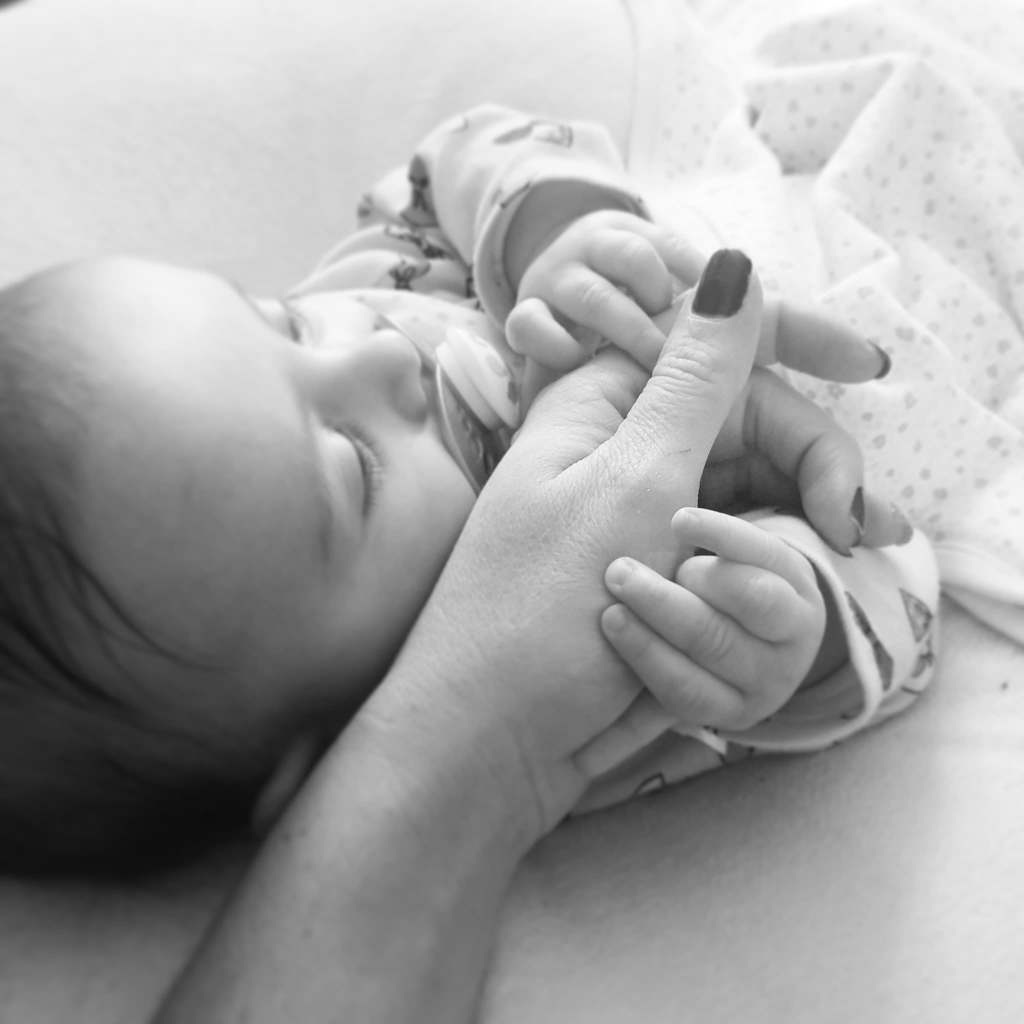
Around 18 months old, we started noticing changes in Aberdeen.
At first, they were subtle. Things only parents tend to notice because you spend every waking moment watching your child grow. She had been saying a few words, making eye contact, interacting with us, and understanding simple requests. We’d ask her to bring us a toy, and she’d happily hand it over. We’d ask for a hug, and she’d wrap her little arms around us.
Then… Something changed.
The words slowly disappeared. The eye contact became less frequent. The little things we’d come to expect started slipping away, and we couldn’t explain why.
As parents, you know your child better than anyone. We couldn’t put our finger on exactly what was happening, but we knew something was different.
So we trusted our instincts.
In January 2020, we reached out to Connecticut’s Birth to Three program, an early intervention service that supports infants and toddlers with developmental delays or disabilities.
The evaluation itself wasn’t overwhelming. It felt like they were simply observing Aberdeen through play and asking us questions about what we had been seeing at home.
Then the results came back. Aberdeen was diagnosed with a developmental delay. At that point, autism wasn’t even on our radar.
Our only thought was, “Okay… now what can we do to help her?”
Like many parents, we heard all the well-intentioned advice.
“She’ll catch up.”
“Every child develops at their own pace.”
“Just give her time.”
Maybe that’s true for some children. But something inside us kept saying, Don’t wait. Looking back, I’m so grateful we listened to that voice.
Early intervention changed the course of our journey.
Services started almost immediately, and for just over a month we had therapists coming into our home, helping us understand Aberdeen and teaching us ways to support her development.
Then the world shut down.
COVID hit.
Almost overnight, those in-person visits disappeared and were replaced with video calls. We did everything we could. We followed the exercises, asked questions, and learned as much as possible, but we were parents trying to do the work of professionals.
It was frustrating. It was heartbreaking. And, like so many families during that time, we felt incredibly alone.


With the continued support of our Birth to Three team, we kept our appointments going through video chats. It wasn’t ideal, but everyone made the best of an impossible situation. Eventually, those visits turned into socially distanced sessions outside with masks, and by 2022, Aberdeen started attending an incredible preschool that will forever hold a special place in our hearts.
Over the next few years, we watched Aberdeen grow into the amazing little person she was always meant to be—we just didn’t know it yet.
We watched her begin reading at just two years old. We watched her imagination come to life through play. We watched her form friendships, gain confidence, and surprise us every single day.
Then, just before she started kindergarten, we received the diagnosis we hadn’t been expecting but knew was a possibility.
Autism.
At first, that word felt heavy.
Your mind immediately races to the future.
Will she be able to live independently?
Will she make friends?
Will she experience all the things other kids do?
What will her future look like?
Those are the questions every parent asks when life doesn’t unfold the way they imagined.
But here’s what we learned.
Autism is part of Aberdeen’s story—it is not who she is.
She is funny, compassionate, creative, incredibly smart, and unapologetically herself. She marches to the beat of her own drum, learns in her own way, and sees the world through a perspective that constantly amazes us. At only eight years old, she has already taught us more than we could ever teach her.

The diagnosis didn’t change Aberdeen.
It changed us.
It challenged us to become better listeners, better advocates, more patient parents, and people who celebrate progress instead of comparing milestones.
We stopped measuring her against everyone else and started celebrating the incredible person standing right in front of us.
That’s when everything changed.
If there’s one thing I hope every parent takes away from our story, it’s this:
Whether you’re raising an autistic child, a child with ADHD, another disability, or no diagnosis at all, trust your instincts. Ask the questions. Seek the answers. Most importantly, parent the child in front of you—not the child you imagined before they were born.
Because every child deserves to be seen for who they are, not who we expected them to be.
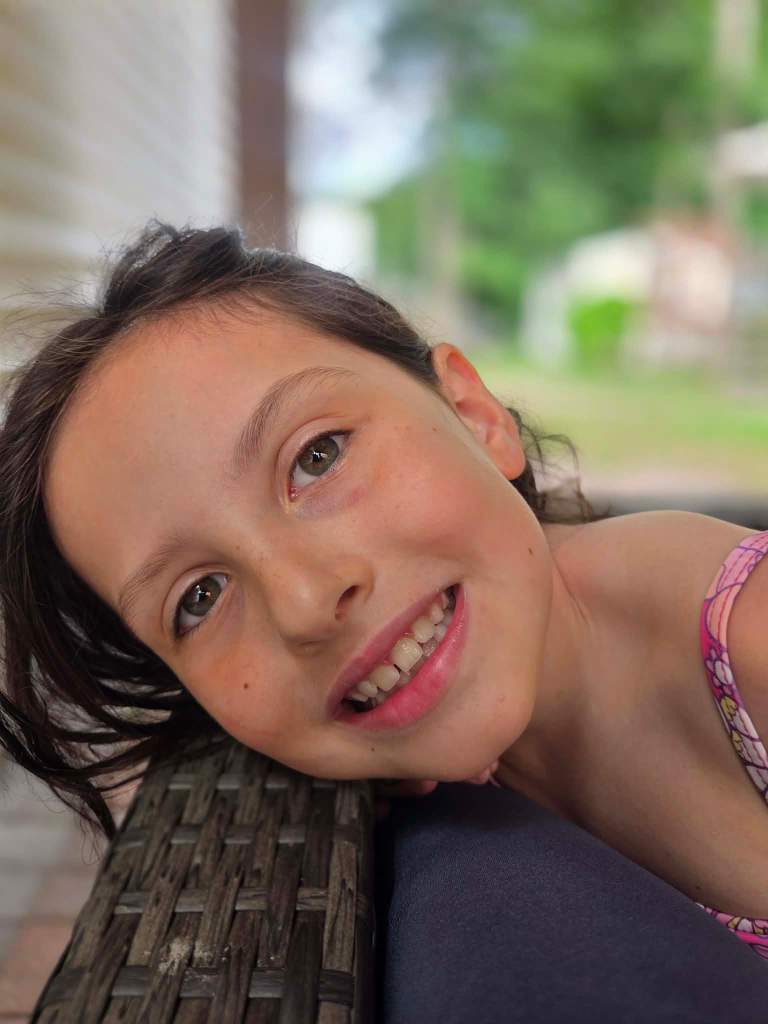
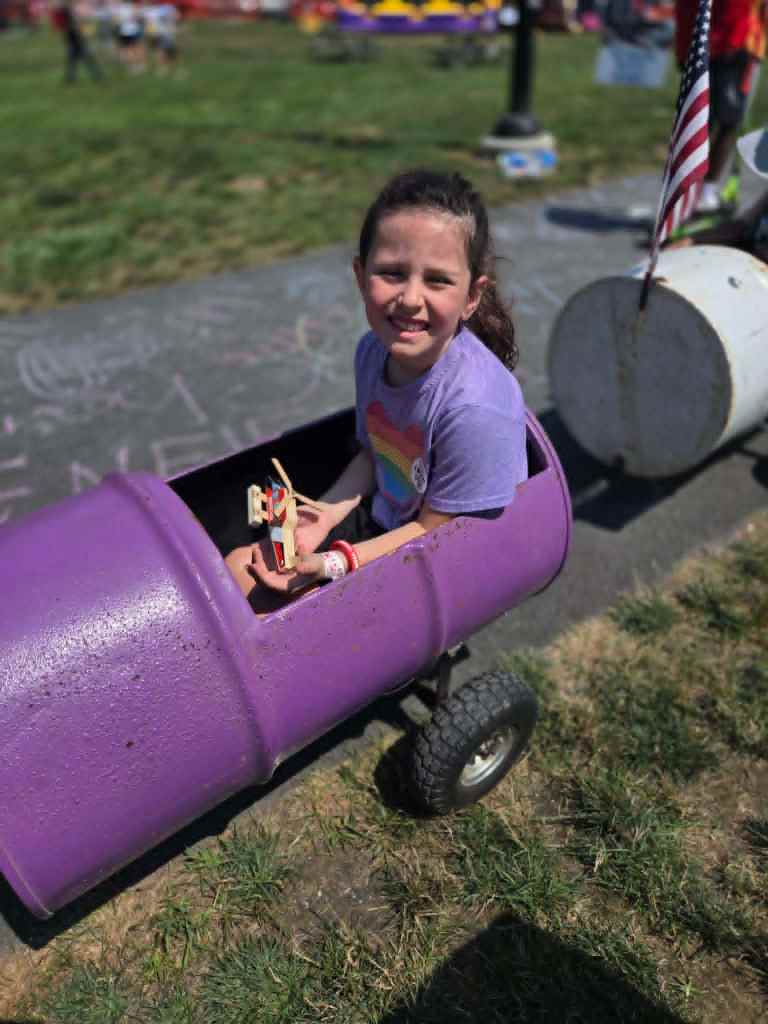

My biggest lesson from Aberdeen is simple:
It’s never been about the diagnosis.
It’s about becoming the parent your child needs.
And for that, I will always be grateful.

 The 2 Moms Life
Leave a comment